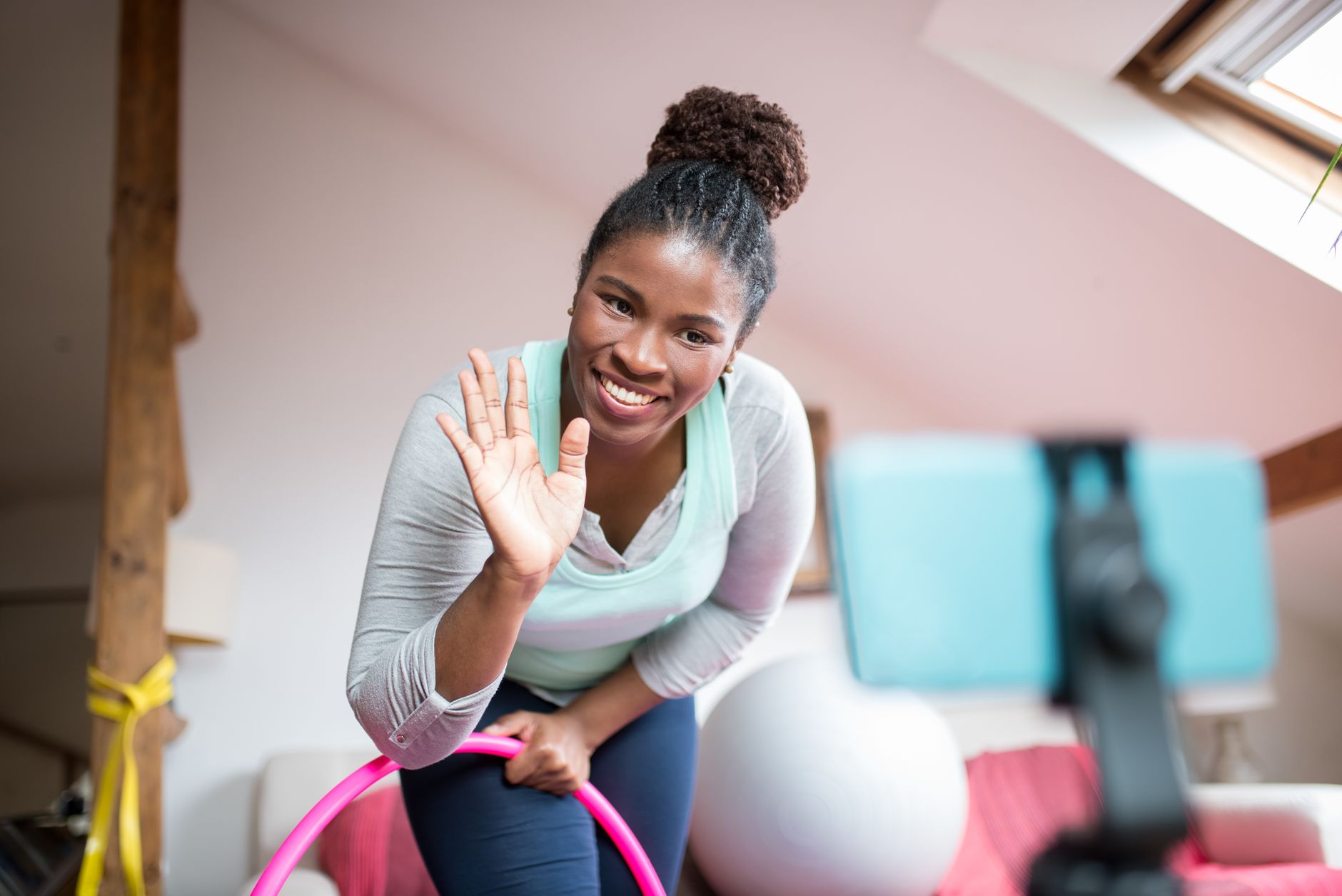
You became a fitness coach to change lives, not to spend three hours every Sunday writing Instagram captions that get twelve likes and zero enquiries.
Yet here you are, staring at a blank screen, trying to figure out what to post tomorrow while your actual clients are waiting for their programmes.
Social media is genuinely one of the best client acquisition tools available to fitness coaches right now. But only if you can show up consistently, post content that sounds like you, and actually reach the right people. That is a tall order when you are also coaching, programming, and running a business.
This guide is going to walk you through exactly how to automate your social media as a fitness coach without losing your personality or wasting money on tools you will never use. We are talking real strategy, specific steps, and content systems that work on Instagram, LinkedIn, TikTok, and wherever else your future clients are spending their time.
Why Consistency Beats Virality Every Single Time
Before we get into tools and tactics, let us clear something up. Most fitness coaches waste huge amounts of energy chasing viral content when what actually builds a coaching business is consistent, trust-building content over time.
Think about how people hire a coach. They follow you for a few weeks, they see you show up reliably, they read your advice, they start to feel like they know you, and then they book a call. That journey rarely involves a viral reel. It involves ten or fifteen pieces of content they found genuinely useful.
This means your automation strategy needs to prioritise volume and consistency, not just one-off banger posts. Aim to post at least four to five times per week across your main platforms. That sounds like a lot, but with the right system it can take under an hour a day.
The platforms worth focusing on for fitness coaches in 2024 and 2025 are Instagram (still dominant for fitness), TikTok (incredible organic reach for video content), LinkedIn (if you coach corporate clients or other fitness professionals), and YouTube Shorts as a distribution channel for repurposed content.
Build Your Content Pillars First
Automation without strategy is just noise. Before you touch a scheduling tool, you need to define your content pillars. These are the three to five recurring themes your content will rotate through.
Here is a simple framework for fitness coaches:
Education: Teach something useful. Exercise technique breakdowns, nutrition myths debunked, training principles explained simply. This builds authority and gets saved and shared.
Transformation and proof: Client results, before and after stories, case studies. This converts followers into enquiries faster than anything else.
Behind the scenes: Your own training, your coaching sessions, your daily routine. This builds connection and makes you a real person, not just a brand.
Mindset and motivation: The mental side of fitness. Discipline, consistency, dealing with setbacks. This tends to generate engagement and comments.
Offers and calls to action: Your programmes, your availability, your free resources. Aim for roughly one in five posts to include a direct offer.
Once you have your pillars, content creation becomes a fill-in-the-blanks exercise rather than starting from scratch every time.
The Weekly Content System That Actually Works
Here is a practical weekly workflow you can follow as a fitness coach running your own social media.
Monday (30 minutes): Plan the week. Decide one piece of content for each pillar you want to cover this week. Write down the core idea in one sentence each. That is your content brief for the week.
Tuesday (45 minutes): Create your anchor content. This is your longest, most valuable piece. Usually a carousel for Instagram, a longer video, or a detailed LinkedIn post. Put your best ideas here because this is what gets saved and shared.
Wednesday (20 minutes): Repurpose. Take your anchor content and spin off two or three shorter pieces. A carousel becomes three single-image quotes. A video becomes a short-form reel and a written post. You are not creating new ideas, you are repackaging the one you already made.
Thursday (20 minutes): Engage. Spend time replying to comments, responding to DMs, and leaving genuine comments on posts from people in your target audience. This is the part automation cannot fully replace and it matters more than most coaches realise.
Friday (20 minutes): Schedule next week. Batch-schedule the following week's content so you are never posting in real time under pressure.
This whole system runs on roughly two and a half hours per week if you have your tools set up properly.
The Tools That Fit a Fitness Coach's Budget and Workflow
You do not need a full marketing stack. You need a small number of tools that work well together.
For scheduling: Buffer, Later, or Metricool all work well for fitness coaches. Later is particularly strong for Instagram with its visual grid planner. Metricool is excellent if you want analytics and scheduling in one place without paying a fortune. Most of these have free tiers that cover the basics.
For design: Canva is non-negotiable. Build a set of branded templates for your carousels, quote graphics, and promotional posts. You should be able to produce a new piece of designed content in five to ten minutes once your templates exist.
For content creation and copy: This is where AI social media content generation has genuinely changed the game for solo operators. Writing captions, hooks, email subject lines, and post ideas from scratch every week is exhausting. Tools that learn your specific tone and audience mean you can generate a week's worth of captions in minutes rather than hours.
Sparkzy is worth mentioning here specifically because it i