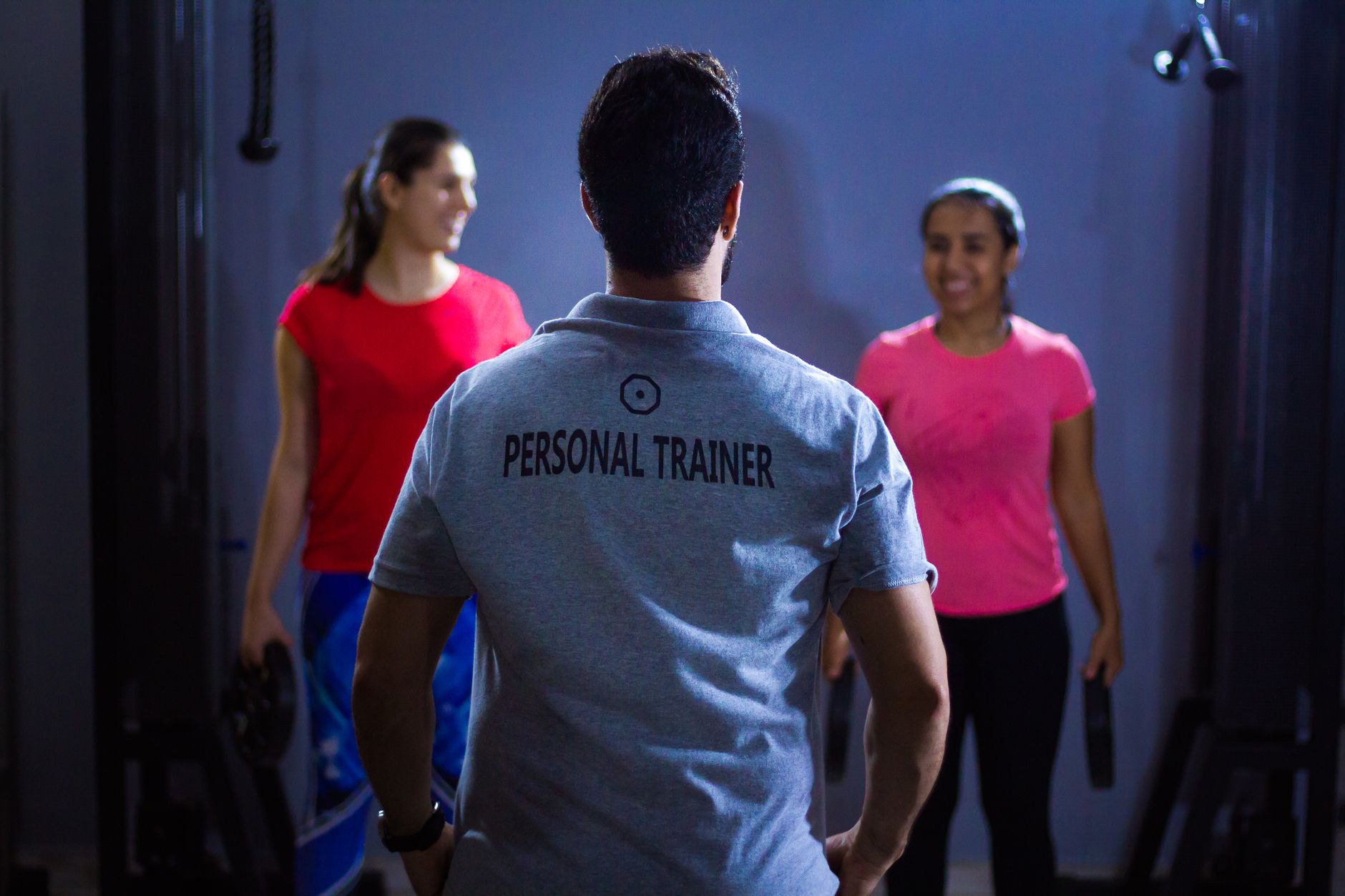
You got into personal training to change lives, not to spend three hours staring at a blank Instagram caption. Yet here you are, Sunday evening, trying to figure out what to post tomorrow while your competitors are already flooding the feed.
The truth is, most personal trainers know they need to show up consistently on social media. They just don't have the time, the words, or the energy to do it after back-to-back sessions all day. That's exactly where AI social media tools come in, and in 2025, they've gotten genuinely good.
This post breaks down what to look for in an AI tool if you're a PT, what kinds of content actually perform on fitness-focused platforms, and how to use these tools without losing the human touch that makes clients trust you in the first place.
Why Personal Trainers Struggle With Social Media (It's Not Laziness)
Before we get into tools, let's name the real problem. Personal trainers aren't bad at marketing because they're lazy. They're bad at it because they're running a client-facing service business with almost no admin support.
A typical PT day looks like this: early morning sessions, a few hours of programming, a midday client, admin, maybe a gym shift, then evening clients. By the time you sit down to create content, your brain is done.
Add to that the pressure to post on Instagram, TikTok, Facebook, and maybe even LinkedIn if you're chasing corporate wellness clients, and it becomes overwhelming fast.
The fix isn't to hire a full social media manager (most PTs can't justify that cost). The fix is to find tools that do the heavy lifting while keeping your voice intact.
What to Look for in an AI Social Media Tool as a PT
Not all AI content tools are built the same. A lot of them produce generic, bland output that sounds like it came from a textbook, not a real person who squats 140kg and has strong opinions about protein timing.
Here's what actually matters when you're evaluating tools:
Brand voice learning. The best tools don't just generate content, they learn how you write. If you're known for being blunt, science-based, and a little funny, your AI content should reflect that. Look for tools that pull from your existing website or bio to understand your tone before producing anything.
Content variety. You need more than just captions. Think carousel posts breaking down exercises, email subject lines, thread-style posts for X or LinkedIn, blog ideas, and even video script outlines for Reels or TikToks. A tool that only writes captions will hit its limits fast.
Platform awareness. A post that works on Instagram doesn't work on LinkedIn. You want a tool that understands the format and tone differences between platforms without you having to rewrite everything manually.
Speed. You're not here to spend an hour prompting an AI. The best tools get you from idea to publishable draft in a few minutes, not a few hours.
Sparkzy checks all of these boxes. It reads your website to learn your brand voice, then generates social posts, carousels, email hooks, threads, and more in a format that actually sounds like you. If you've been frustrated by AI tools that produce robotic copy, it's worth trying one built around an AI brand voice generator that adapts to your style rather than ignoring it.
The Types of Content That Actually Work for PTs
Before you start generating anything, you need a content strategy. Otherwise you're just producing noise. Here are the content types that consistently perform well for personal trainers on social media, with examples you can steal.
Education posts. These are your bread and butter. Break down a concept your clients always get wrong. For example: "Why you're not losing fat even though you're in a calorie deficit" or "The real reason your squat hurts your knees." These build authority and get saved and shared.
Transformation and proof content. Client results (with permission), before and after programming changes, progress check-ins. Don't skip these because you feel awkward. They convert.
Myth-busting content. Fitness is full of bad advice. Call it out. "No, lifting weights won't make you bulky" still gets engagement in 2025 because people still believe it.
Behind the scenes. Show your programming process, your own training, your meal prep. People buy from people. The more human you are, the more trust you build.
Carousels and step-by-step guides. These perform exceptionally well on Instagram. A carousel like "5 signs you're overtraining" or "How to build a push day that actually works" gets saved, which tells the algorithm it's valuable. An AI carousel generator can help you structure these quickly without spending an hour laying out slides.
Client FAQs turned into posts. Every question a client asks you is a content idea. Keep a running note on your phone. When someone asks "how many rest days do I need," that's a post.
A Simple Weekly Content Framework for Personal Trainers
Consistency beats perfection every time. Here's a framework that works even on your busiest weeks. You're aiming for five posts across the week, covering different content types so you're not repeating yourself.
Monday: Education. Teach something. One clear concept, explained simply. Keep it to the point. End with a question to drive comments.
Wednesday: Social proof or story. Share a client win, a personal milestone, or a behind-the-scenes moment. Keep it real. Don't over-produce it.
Thursday: Carousel or multi-slide post. Pick a topic your audience keeps asking about. Five to seven slide